Blog Archives
Laissez Les Bon Temps Roulez
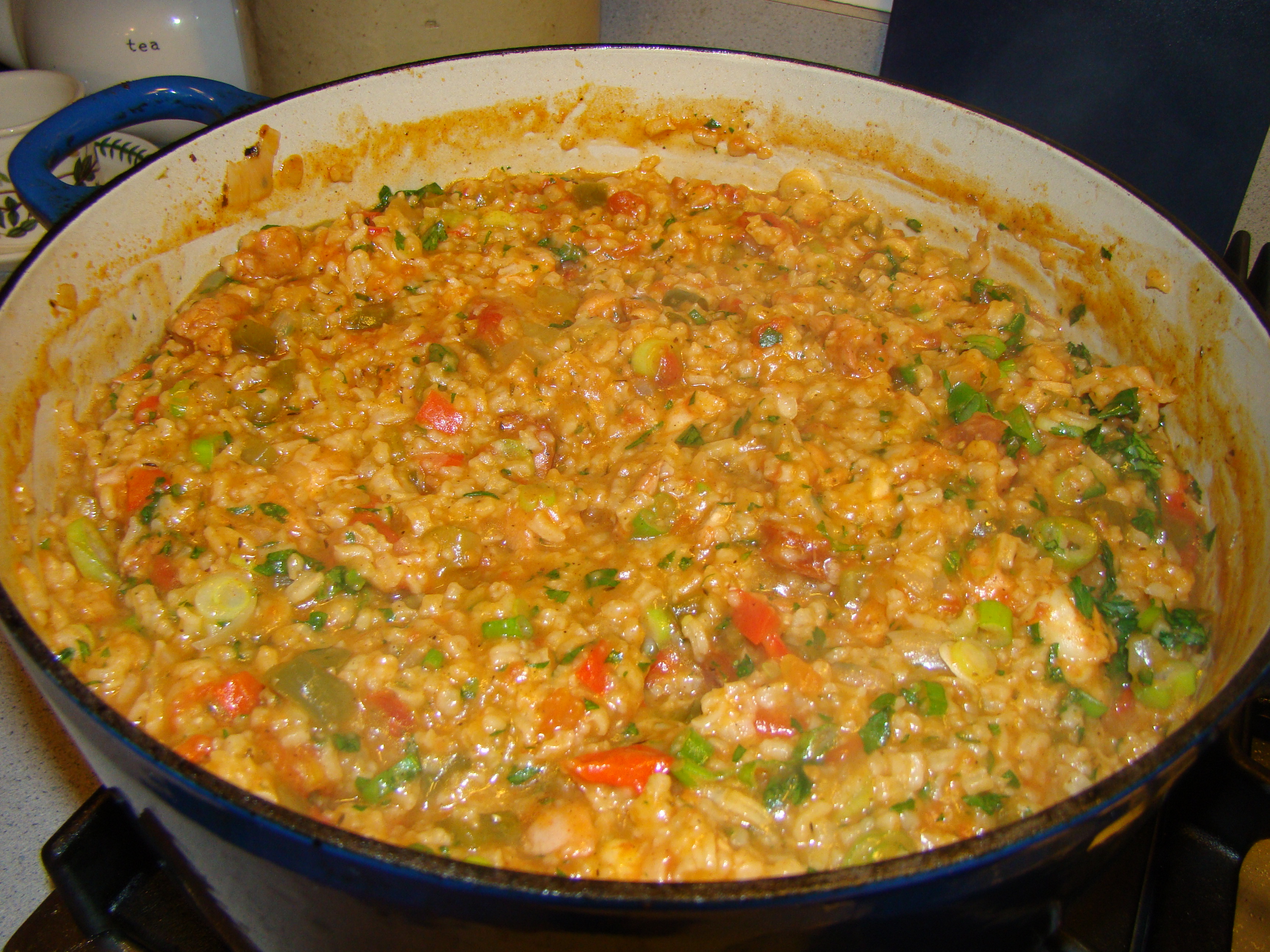
Another food holiday we always try to observe is Mardi Gras because I love the food from New Orleans.
We visited the city, pre-Katrina, in December 1994. We enjoyed staying in the French Quarter, breakfasting at the French Market, browsing the antique stores on Magazine Street, and visiting the Garden District. The National Park Service offered great tours as New Orleans is considered a National Historic Site. We even happened upon a house tour in the Garden District, so we were able to visit 3 or 4 private homes.
The food was amazing, and there can’t be anywhere in the world quite like Bourbon Street. I am not a big drinker, but you’ve got to love a place where the bars along the street are mostly take-out. I don’t remember seeing many places where you could sit down and enjoy a drink. It was more like drink-and-stroll. It still makes me laugh to think about it.
One of the reasons we bypassed the Louisiana chili for the Super Bowl last week was because Mardi Gras was right around the corner.
I think my favorite New Orleans dish that I can make at home is jambalaya. (French Market beignets and oyster po-boys would beat jambalaya, but I’m afraid to deep-fry at home.)
I’ve made many different recipes for jambalaya, and it seems to be a no-fail dish. I mentioned to my sister Jane what I was thinking of making. She sent along her recipe, which originally came from an Emeril Lagasse cookbook. She’s made some modifications, and I made some of my own.
Jambalaya
Adapted from Jane’s adaptation of Emeril’s recipe
Serves 8+
4 boneless chicken thighs, cut into bite-sized pieces
3 Tbsp Emeril’s Essence or another Creole seasoning
2 Tbsp canola oil
12 oz andouille sausage, cut into ¼-inch slices, then cut into half-moons
2 or 3 onions, chopped (about 2 cups)
1 green pepper, chopped (about 1 cup)
1 red pepper, chopped (about 1 cup)
2 stalks celery, chopped (about 1 cup)
1 tsp salt
½ tsp cayenne
½ tsp black pepper
1 28-oz can whole tomatoes, chopped (reserve the juice)
1 Tbsp minced garlic
3 bay leaves
2 cups long-grain white rice
1 tsp dried thyme
Enough chicken stock to make 2 quarts when added to the reserved tomato juice
1 lb medium shrimp, peeled and deveined
1 cups chopped scallions
½ cup chopped fresh Italian parsley
Toss the chicken with 2 Tbsp Emeril’s Essence. Heat the oil in a large heavy pot (I use my Le Creuset Dutch oven). Add the chicken pieces, and cook for 5 minutes, until lightly browned. Remove chicken from the pot and set aside.
Add the sausage to the pot (add more oil if it’s dry), and cook, stirring until browned, about 5 minutes. Add the onions, green pepper, red pepper, celery, salt, cayenne, and pepper. Cook, stirring often, until the vegetables soften, about 5 minutes. Add the tomatoes, garlic, and bay leaves. Cook about 2 minutes. Add the rice, and, cook, stirring for 2 minutes.
Add the thyme, stock/tomato liquid, and cooked chicken. Bring to a boil. Reduce the heat, and cover the pot. Simmer, stirring occasionally, until the rice is tender. Not all of the liquid will be absorbed.
Toss the shrimp with the 1 Tbsp Emeril’s Essense. Add the shrimp to the pot and stir. Cook until the shrimp turns pink and is opaque, about 5 minutes. Remove the pot from the heat, and let it rest, covered, for about 15 minutes.
Gently stir the scallions and parsley into the jambalaya. Remove and discard the bay leaves.
Food for Thought
 I just finished an eye-opening book that turned everything I thought I knew about eating seafood upside down. The book is called Bottomfeeder: How to Eat Ethically in a World of Vanishing Seafood by Taras Grescoe. It caught my eye at the library, perhaps because I saw it shortly after I heard a related interview on NPR’s Fresh Air with Daniel Pauly from the University of British Columbia’s Fisheries Centre. That led me to look up his article in The New Republic, “Aquacalypse Now”, which started me off thinking about fish.
This book joins the list of books I’ve read over the past several years that make me both thoughtful and anxious about all the things I eat. Now, I’ve added fish to the list. If you spend time thinking about what you eat as I do, I highly recommend this book.
In some ways, I found the information discouraging. After all that I’ve read about meat animals raised on an industrial scale, I assumed fish and other seafood were a better ethical choice. I already knew there were issues with farmed Atlantic salmon and do try to avoid that. However, I had no idea about the issues behind farm-raised shrimp from Asia, maguro tuna (bluefin), and other seafood.
On the positive side, the author hasn’t given up eating fish and seafood himself. He offers information on the more responsible choices and where to find further information.
 Since finishing the book, Howard and I went out for sushi once, armed with the Sustainable Sushi and Northeast Region pocket guides from the Monterey Bay Aquarium’s Seafood Watch. We managed to craft a meal from the “good choices” columns. I don’t know if we chose 100% sustainably, but we did avoid everything on the really bad list – tuna, salmon, and yellowtail (former favorites). It was definitely challenging.
This weekend, we went to our house in Maine. This is the season for Maine shrimp, a sustainable option, so we got some to cook for dinner. In past years, the season was a mere six weeks, from December 1 through mid-January, but both last year and again this year, the season has been extended until May 1 due to an abundance of shrimp.
I made a variation on a favorite recipe for BBQ shrimp from a New Orleans cooking class Howard took before we were married. Despite the name, the shrimp is actually prepared on the stovetop, not the grill. The original recipe calls for large shrimp in the shell. After cooking the shrimp in the buttery sauce, you peel and eat, licking your fingers as you go, and finally sopping up the extra sauce with French bread.
Maine shrimp are small and sweet and very pink. These came without the shell, which makes cooking them very easy, but not quite right for finger food. So, I prepared the shrimp in the same sauce and served it over steamed rice. It was less fun to eat, but just as tasty.
New Orleans BBQ Shrimp
Serves 2-4, depending on appetites
½ stick (4 Tbsp) butter
½ tsp black pepper
¼ tsp red pepper flakes
¼ tsp white pepper
½ tsp paprika
1 lb shrimp
Juice from 2 lemons
2 Tbsp Worcestershire sauce
1 dash Tabasco
2 cloves garlic, minced
Salt to taste
½ bunch scallions, sliced thin
Melt the butter in a skillet. Stir in the black, red, and white peppers and the paprika. Add shrimp, and cook, stirring, until most of the shrimp is opaque. Add lemon juice, Worcestershire, and Tabasco. Stir again. Add garlic. Season with salt to taste. Stir in scallions, and serve over steamed rice.
 A Plateful of Happiness