Monthly Archives: March 2011
French Fridays with Dorie: Beggar’s Linguine

I had mixed feelings about this week’s recipe selection for French Fridays with Dorie. The recipe’s name, Beggar’s Linguine, is unassuming. Reading through the recipe, it was hard to get my head around just what to expect. Certainly, it was intriguing and exotic: linguine tossed in beurre noisette, a browned butter, with a variety of dried fruit and nuts. It is finished off with grated orange zest, grated Parmesan cheese, and some chopped parsley. I’d never heard of anything like it.
One of the reasons I joined this weekly cooking group is to push me outside my comfort zone once in a while. Sometimes, it’s a technique or an ingredient that presents a challenge. In this case, it was the combination of flavors.
 For dried fruit, the recipe called for figs and golden raisins; for nuts, almonds and pistachios. I also threw in some dried apricots and hazelnuts for good measure. The picture doesn’t show it, but my butter browned perfectly. The overall flavor of the dish reminded me of a Christmas cake, like Italian panettone or even a good fruitcake. It was like dessert and dinner, all in one dish.
Only one half of my household will eat dried fruit (that would be me). Given that Dorie’s notes for this recipe said it shouldn’t be reheated or eaten cold, I opted to make a quarter of the recipe to feed just me. What did I think of the Beggar’s Linguine? I’m glad I tried it. I liked it much more than I expected, but given that it doesn’t appeal to the whole family, I doubt I would make it again.
I’m curious to see what my fellow FFwD bloggers thought about this week’s recipe. Check out their links at French Fridays with Dorie. We don’t post the recipes, but consider getting your own copy of the book, Dorie Greenspan’s Around My French Table. In fact, earlier this week, I sent a copy of this book to my sister Jane. After reading my post each Friday, she wonders whether she should own this cookbook. I decided for her.
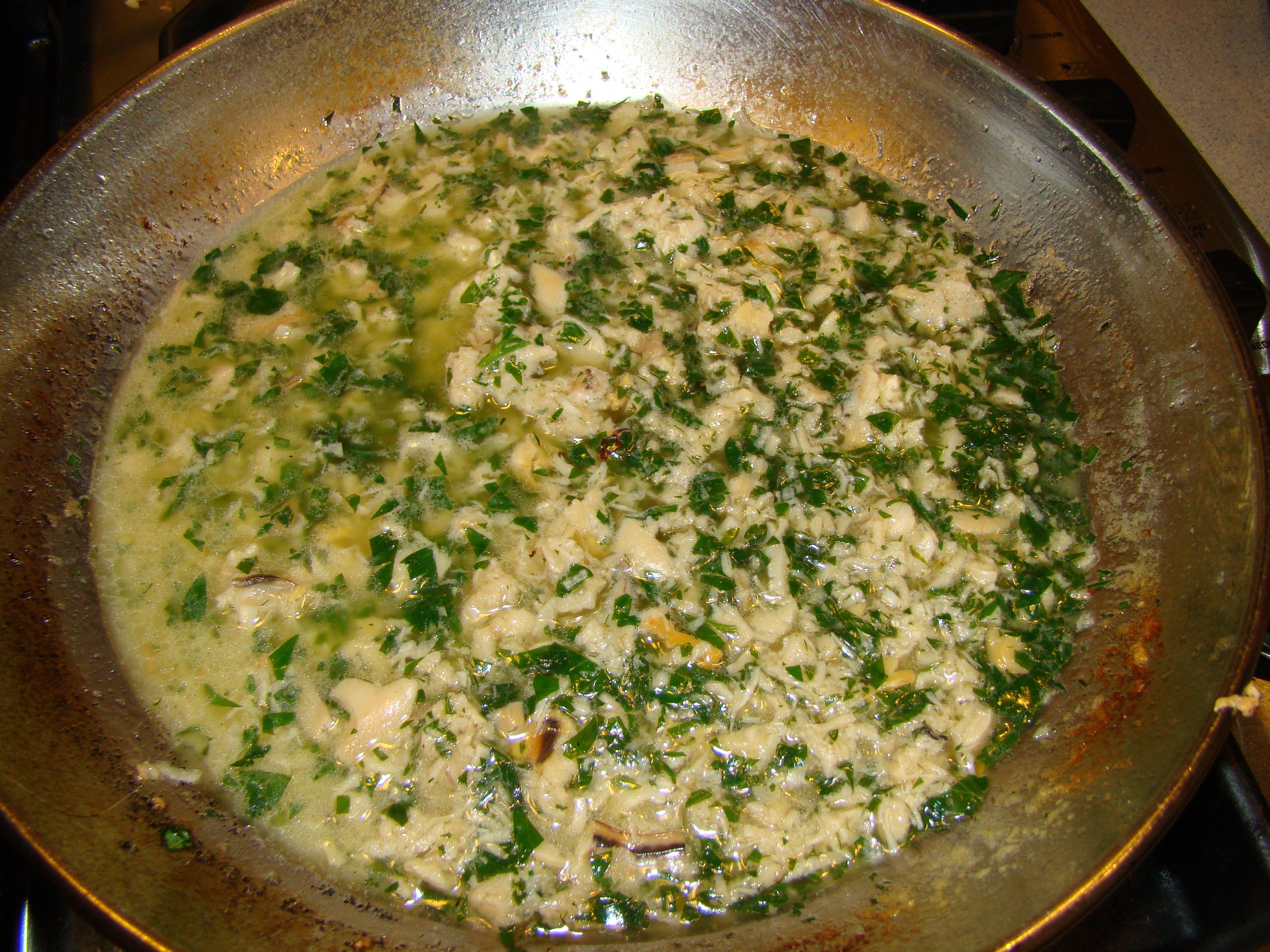
As backup, in case I really hated this unusual dish, and so that Howard could eat dinner too, I made a reliable standard, Linguine with Clam Sauce, with the remaining three-quarters of the box of linguine. This recipe has evolved over many years. It started with a recipe from my old friend Amy, who now lives in Seattle. I have tweaked it to try to capture my mother’s version of this dish, which was one of my favorites when I was growing up. I always keep some canned clams in the pantry, so this is a quick and easy emergency dish. Here’s the recipe as a bonus, if you want to try it. It’s foolproof.
Linguine with Clam Sauce
Serves 4
1 box linguine (12-16 oz)
2 cans chopped (or minced) clams
2 Tbsp olive oil
2 Tbsp butter
¼ cup white wine
2-3 cloves garlic, minced
2-4 Tbsp chopped parsley
Freshly ground pepper
Cook the pasta according to package directions. When it is cooked, drain well.
While the pasta is cooking, make the sauce. First, drain the juice from the clams, reserving the juice.
Heat the butter and olive oil over medium heat until the butter melts. Add the minced garlic and sauté until the garlic is golden, but be careful not to burn it. Reduce the heat if you need to. Add the white wine and clam juice. Bring to a boil, reduce the heat, and simmer for 10 minutes. Stir in the parsley and the chopped clams. Simmer for 3 minutes to heat the clams through. Season generously with freshly ground pepper.
Pour the sauce over the linguine and toss well.
You Win Some, You Lose Some

Like most avid home cooks, I try a lot of new recipes. I have my share of successes. Sometimes, though usually less frequently, recipes don’t turn out the way I hope. This week, I’ve had a steady string of duds. Ever hopeful, I snapped pictures of my failures, but it was sort of discouraging.
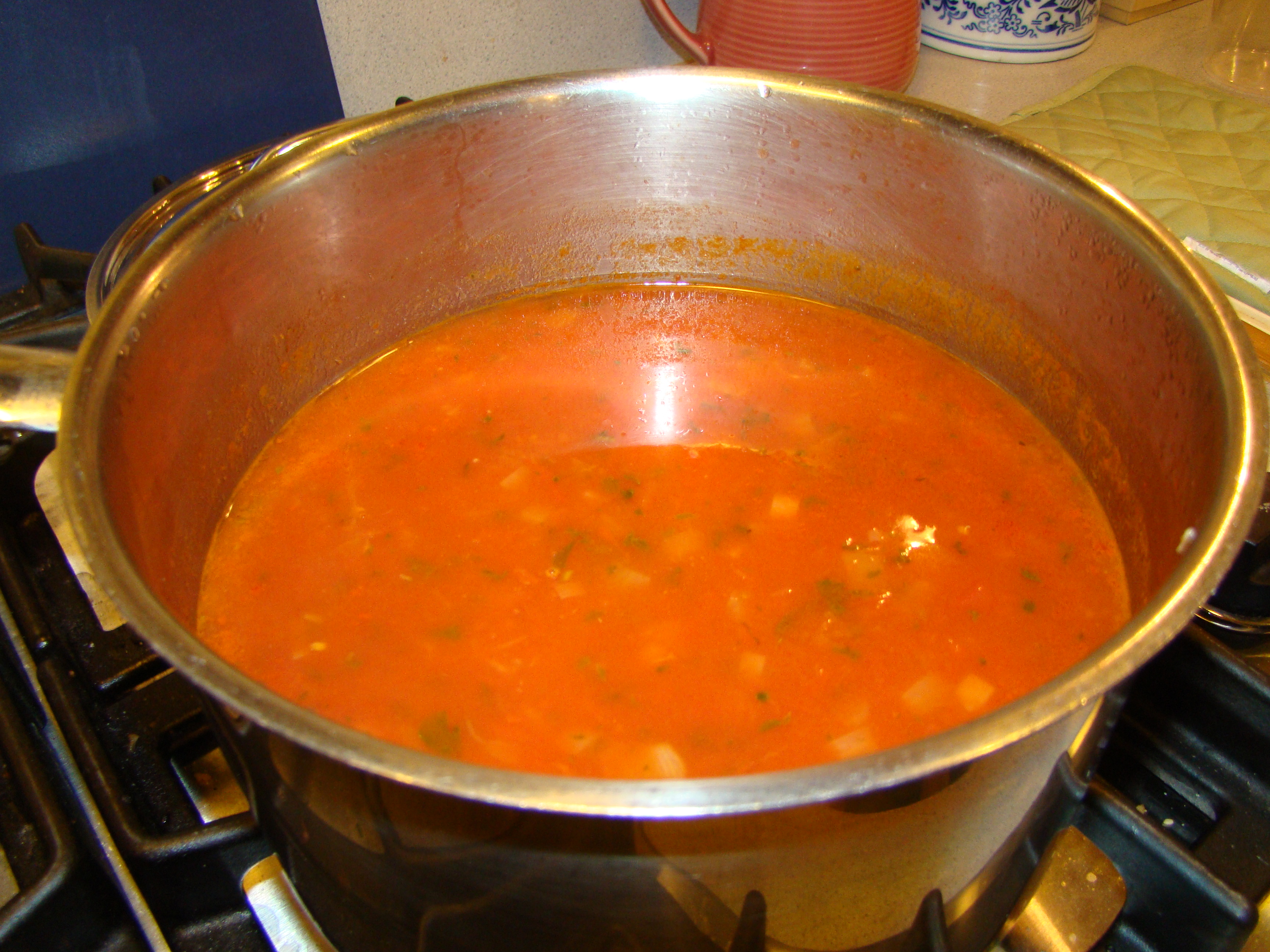
It started with the third tomato soup flop in a row. I somehow lost track of the “winner” recipe I’d been attached to, so I was trying to recreate it. None of them quite worked out. The first soup was too thick, the second too chunky, and the third was too bland. I’m determined, so I’ll have to try again next week.
Next, I made a Southwestern style pot pie with a cornbread biscuit topping. It was very colorful and festive, but something was missing. How disappointing.

Yesterday was Mardi Gras, so of course, I had to make something Cajun. Being a weeknight, I tried out a “quick” version of jambalaya. The ingredients were great, but there was no time for the flavors to meld. Plus, it was more soupy than I expected.

The most successful thing I made all week was borscht. I pored through piles of cookbooks, but couldn’t a recipe that seemed exactly right, so I made one up. It looked great while it was cooking. I don’t know what possessed me to add the vinegar, but all the recipes I had seen used it so I did too.
Unfortunately, I didn’t care for it at all, though it was a hit with my husband. As I mentioned when I made a cabbage gratin a couple of weeks ago, I don’t really like food that tastes like sauerkraut. The sour flavor that the vinegar gave the soup turned me off completely. The bad thing was that I ended up making a HUGE pot of this soup. The good thing was that Howard liked it; it reminded him of his Grandma Sadie’s sauerkraut soup. My friend Laury liked it too. So, I shared some, and we stashed the rest of the freezer for future lunches for Howard.
I know I didn’t make this sound so appealing, but if you like borscht, you might want to give it a try. My borscht-likers gave it a thumbs up!
Borscht
Serves 10-12
1 lamb shank
3 qts water
1 Tbsp canola oil
3½ lbs beets
1 onion, diced
2 carrots, shredded
1 turnip, shredded
8 cups shredded cabbage
1 c tomato puree
¼ cup white vinegar
2 Tbsp sugar
Sour cream (optional)
First, make a lamb stock. Ideally, make this the day before. Preheat the oven to 450F. Season the lamb shank with salt and pepper. Roast the lamb shank for 30 minutes. Transfer the roasted lamb shank to a large soup pot and cover with 3 quarts of water. Bring to a boil, then reduce the heat, and simmer for 1½ hours. Remove the lamb shank and reserve. Chill the stock, overnight, if possible, so you can easily remove any fat from the stock.
You also need to roast the beets. Scrub the beets. Place the beets in a roasting pan, add about ½ inch of water in the bottom of the pan and cover with foil. Roast in the preheated 450F oven for 1 hour or until the beets are tender. When the beets are cool enough to handle, slip the skin off and grate the beets.
In a large soup pot, heat the oil over medium heat. Saute the onion, carrots, and turnip until softened, 5 to 10 minutes. Add the beets, cabbage, tomato puree, vinegar and sugar to the pot and stir to combine. Add the stock. Bring to a boil, reduce heat, and simmer for 1 hour.
Cut or pick the meat off of the lamb shank and cut into bite-sized pieces. Add to the soup to heat through.
Serve hot with an optional dollop of sour cream.
 A Plateful of Happiness