Blog Archives
(faux) osso buco à l’arman {ffwd}

It’s hearty fare on the menu this week for French Fridays with Dorie. We’re down to the last few dozen recipes, so the lineup seems to be the less familiar ones, ones that are a bit off the beaten track. The selected recipe this week is for Osso Buco à l’Arman, Arman being the French artist who gave the recipe to Dorie.
Autumn has always been my favorite season. Even though from nature’s perspective, it represent a period of slowing down, preparing to sleep and restore over the winter, I think of fall as a new beginning, even more so than the New Year’s holiday coming up in January. At this time of year, I reacquaint myself with my love of hearty stews and soups, warming my household from within as the air outside gets crisper. This week’s recipe filled that bill perfectly.
Technically, osso buco is the cut of meat used in this recipe: veal shanks cross-cut into thick pieces. (In Italian, osso buco translates to “bone with a hole”, referencing the marrow bone that runs down the shank.) The modern version of the sauce will include tomatoes and carrots, and the osso buco is served sprinkled with gremolata (a combination of garlic, orange zest, and parsley).
I don’t eat veal, but my research indicated that lamb shanks cut this way would be a reasonable substitute. Before they became trendy, shanks were an inexpensive cut for the frugal cook, requiring the long cooking of braising to tenderize the meat, melt the fat, and soften the collagen in the tendons. Unfortunately, I was unable to locate any lamb shanks or, for that matter, beef. (I didn’t see any veal shanks either.) I opted for lamb shoulder chops, another cheaper cut of meat, but also sporting a “bone with a hole”.
The sauce was straightforward to prepare. First the orange zest gets boiled, then simmered. Then, onions, garlic, and herbs (I used all dried) are sautéed in olive oil before adding tomatoes, both canned and fresh, broth (I used beef), and some of the orange zest cooking water.
While the sauce simmers, the meat is browned. After nestling the lamb in the tomato sauce and adding several strips of the orange zest and the remaining orange zest cooking water, the pot is topped off with sliced carrots before closing the lid and popping the Dutch oven in the oven. Two hours later, dinner was ready.
I wasn’t sure about the purpose of several steps in the recipe. Maybe you can help me out:
- Why do we boil, then simmer, the orange zest? Does it do something to the orange zest, or is it to create the orange-flavored water used for the braise?
- Why canned AND fresh tomatoes? It seemed like the major contribution of the sliced fresh tomatoes was its skin (which wasn’t all that appealing).
- What does the layer of wax paper on top of the stew do?
Osso buco is traditionally served with risotto. Howard helped out and followed my directions for a saffron risotto cooked (in under 10 minutes) in the pressure cooker. (If you’ve never tried making risotto this way, you must. Check out my earlier post on this method.)

This stew was the perfect thing to have bubbling in the oven on a fall Sunday afternoon. The house smelled amazing, and the taste did not disappoint. I found the lamb to work well. The meat was melting off the bone, and the flavors of the sauce complemented lamb just fine. I liked the fresh taste of the gremolata on top of the stew. (Howard, as you might expect, opted to skip that step. The orange rind in the dish was more than enough fruit in his savory meal.)
Another company-worthy recipe that I will make again on a cold winter’s night! To see what the other Doristas thought, check out their links here. If you want to make it yourself, you can find the recipe on-line here, or in Dorie Greenspan’s book Around My French Table.
Happy French Friday and Happy Halloween!
Dorista Celebrations {ffwd}
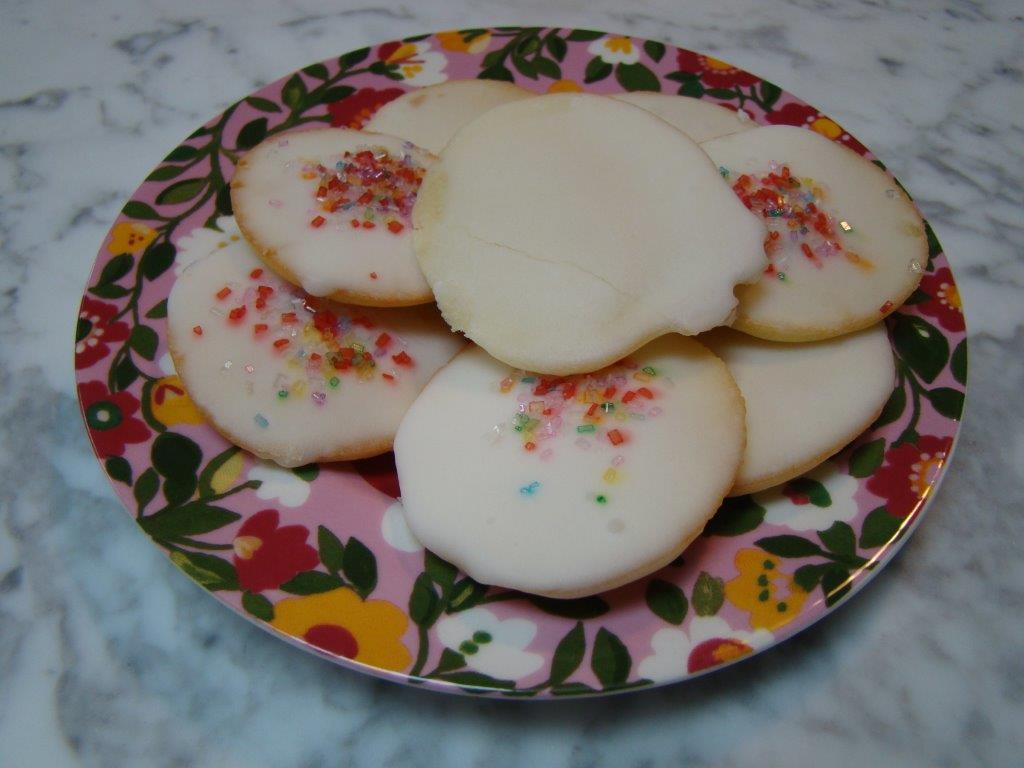
Today is a day of many celebrations for French Fridays with Dorie. First of all, we’re celebrating Dorie Greenspan’s birthday! Next, we’re celebrating Dorie’s new book, out this month, Baking Chez Moi. And, finally, we’re celebrating four years of French Fridays as we move into the fifth and final year of cooking our way through Dorie’s book Around My French Table.
All of these reasons make it a special Friday for me: I love birthdays, especially mine, but I do love anybody’s birthday. I love cookbooks, having hundreds on the shelves (and the floor, and the counters, etc.). And I love my wonderful Dorista friends and being part of French Fridays.
How are we celebrating all these things? Well, we’re actually stepping outside the box for the day. Rather than making something selected from Around My French Table, we’re baking something from the new book, Baking Chez Moi, which comes out next week. There are several recipes from the book that are available on the internet, so we’re making a choice from those.
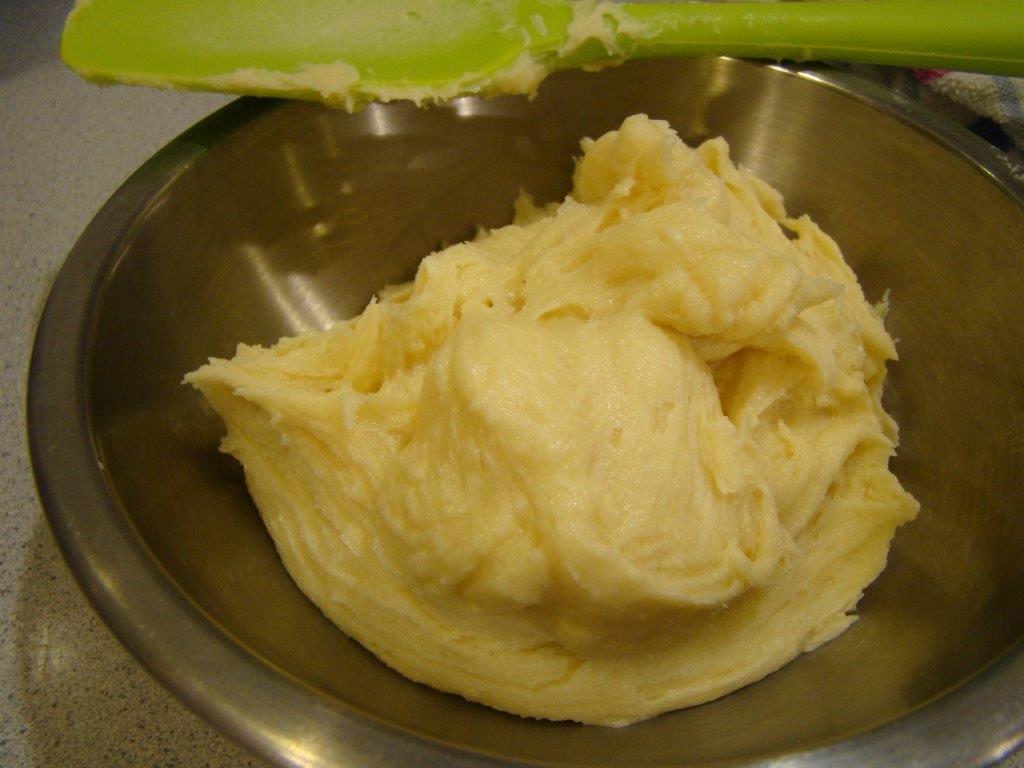
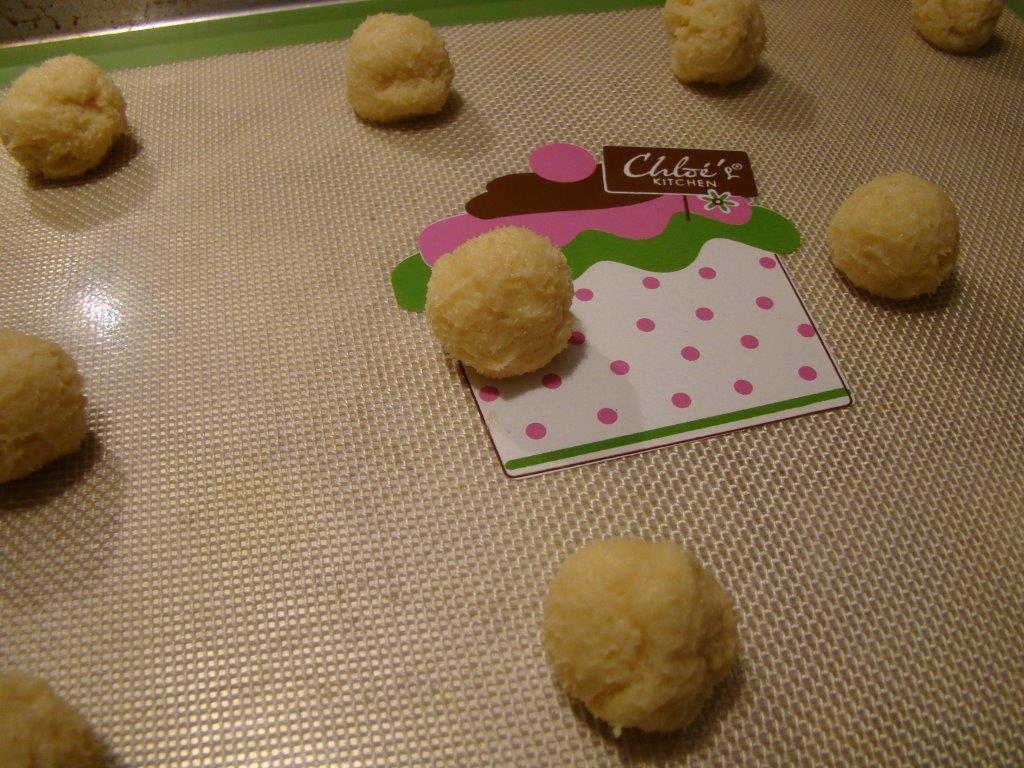
I decided to try Palets de Dames, Lille Style, an iced cakey sugar cookie. The stiff batter is mixed up in a stand mixer before chilling. Then you shape the cookies into small balls. The cookies spread quite a bit, ending up rather flat, so be sure to space them far apart. I baked one dozen at a time on a half sheet pan. For the first tray, I used my smallest cookie scoop, but they baked up into irregular shapes. For the remaining trays, I used the cookie scoop to approximate portioning, but rolled the dough into uniform balls between my hands. Even then, the cookies in the middle spread into nice circles while the ones on the edges were more oval. I think the baked cookies gave me a map of the unevenness inside my oven.
Once the cookies cooled, I mixed up the simple sugar-milk icing. I didn’t have any milk, so used heavy cream instead. I had to use at least twice the amount of liquid called for to get the icing to the right consistency, perhaps because the cream was thicker than the milk.
Surprisingly, it is the flat side of the cookie, the bottom, that gets dipped into the icing, changing to the rounded top to the bottom, so they roll around a little bit on the plate. (From official photo of these cookies, it looks to me like they were done the opposite way.) For a festive touch, I sprinkled some of the cookies with some colored sugar.
While I prefer a crisper or chewier cookie, these are perfect with a celebratory cup of tea: light, not too sweet, and delicately pretty. If you’d like to try them yourself, you can find the recipe here.
So, happy birthday to you, Dorie, and congratulations on your newest book! I look forward to baking more recipes from it. And to my Dorista friends, here’s to another year together. It’s been quite the unexpected ride over the past four years.
To see what other delicious birthday treats were baked up this week, check out my Dorista friends below, or follow their links here.
- Liz from That Skinny Chick Can Bake
- Adriana from Great Food 360º
- Gaye from Laws of the Kitchen
- Sanya from Kitchen Therapy
- Mardi from eat.live.travel.write
- Kathy from Bakeaway with Me
- Christy from Confessions of a Culinary Diva
- Tricia and Nana from Tricia and Nana Cooking with Dorie
- Katie from Prof Who Cooks
Chocolate Cream Puffs with Mascarpone Filling
- Mardi from eat.live.travel.write
- Cher from The Not So Exciting Adventures of a Dabbler
- Kathy from Bakeaway with Me
- Tammy from Chez Nous
- Mary from Lights on Bright No Brakes
- Betsy from A Plateful of Happiness
- Rosa from One Expat’s Life
- Teresa from One Wet Foot
- Diane from Cafe Mom Cooks
- Susan from Create Amazing Meals
- Emily from Emily’s Cooking Foray
- Eileen from Cookbook Immersion Project
- Christy from Confessions of a Culinary Diva
- Cher from The Not So Exciting Adventures of a Dabbler
- Teresa from One Wet Foot
- Margaret from Tea and Scones
- Alice from A Mama, Baby & Shar-Pei in the Kitchen
 A Plateful of Happiness