French Fridays with Dorie: Éclairs

This was a crazy week for me. My dear husband Howard was out of town, and I had a lot of social plans in the evenings. We usually share dog duty, with him doing the lion’s share of walking, but with him gone, I had the added tasks of an extra hour to hour and a half of walking each day (yes, my dog Bella is completely spoiled). I didn’t get around to making the éclairs last weekend, so it was a stretch to try this recipe this week.
As I mentioned last week, I approached this week’s recipe for French Fridays with Dorie with trepidation. I enjoy baking, yet other than my mastery of pastry crust, I would consider the rest of my baking skills to be basic. I tend to choose recipes that are served in the baking pan, or at least don’t require much decoration or final steps. My go-to desserts tend to be fruit tarts, fruit crisps, or simple cakes that are baked in an easy-release spring-form pan or can be served from the pan with a sprinkle of confectioners’ sugar. I’m just not into fussy desserts.
But, I do love a challenge, and am up for trying almost anything (as long as it doesn’t involve coconut). The Dorie recipe for this week is Éclairs, vanilla, chocolate, or whatever variation you fancy. Several components (cream puff shells, pastry cream, and a glaze) are prepared and then assembled for the final product.
I started with the pastry cream, which is like a very thick pudding. Because of my intimidation level with this recipe, I went with the basic vanilla recipe in the book. I didn’t branch out with chocolate or coffee flavoring or adding some kind of liqueur. The pastry cream was a snap to make. I was surprised at how thick it got (maybe a little too thick) and how quickly it happened. I was a little nervous after I tempered the egg yolks and then added the rest of the hot milk mixture because I got a strong whiff of scrambled eggs. But all went well, the cream mixture was smooth and thick and not at all curdled. I made this two nights ahead, so made the recommended air-tight seal with plastic wrap on the surface of the cream, and stashed it in the fridge.
My only previous experience with cream puff dough was the inaugural Dorie recipe for Gougères. That went successfully, so I knew I could make the dough no problem. Like the pastry cream, the pâte à choux wasn’t hard to make. It’s a warm dough, mixed on the stovetop before beating in the eggs with a standing mixer. It smelled great as it came together.
Unlike the gougères, which were spooned onto the baking sheet, these were supposed to be piped. The only thing I’d ever piped before were icing squiggles. This seemed much more challenging. Also, I didn’t have the appropriate large tip. This week, I had no free time to go in search of one (not having planned ahead), but I was happy to read Dorie’s response to a question on the FFwD website saying that a ziplock bag with the corner cut off would work just fine. I have plenty of ziplock bags. I played around with a junk mail envelope to figure out the right amount of corner to cut off to get a 2/3-inch opening (same as the ideal large piping tip). It was way more than I expected.
 So with my fragrant warm pâte à choux and my ziplock bag (I used a quart size bag for a half recipe of dough), I did my best to pipe out éclairs. They looked OK, a little pasty when raw, but that’s expected. I was trying to break the recipe down into little tasks, and I knew that I was going to bake them the next morning, but I wasn’t sure whether I could just chill the piped out dough in the refrigerator. I ended up putting it in the freezer for overnight because there were instructions for freezing the éclairs when making in advance.
 This morning, I put the frozen éclairs (still on their parchment) into the preheated oven. I did use a room temperature sheet because I thought the bake time would be thrown off with a freezing cold baking sheet. After 10 minutes, I turned the baking sheet around, but after 20 minutes (giving a few extra minutes because they were frozen), the éclairs were unevenly browned. A few were golden, or part golden, but some still looked pale. I didn’t want to burn them, so after another 3 minutes, I pulled them out of the oven.
I think I should have cooked them longer so they were all golden. The inside of most of the éclairs was denser than I should have been. I think they should have been more airy and light.
My grand plan had been to bring the éclairs to work as a treat for my team. The morning didn’t go as planned, and I really didn’t have time for the cooling or final assembly. The recipe wasn’t clear about whether the baked pastry could be made ahead. I took my chances and left them on the counter for the day. I figured the worst that might happen was for them to get a little stale. They fared the day just fine.
Final assembly, more piping of pastry cream onto split éclairs, followed by glazing. The pastry cream was really, really thick. Instructions said to whisk it to lighten it up. The whisk just sliced the pastry. I ended up transferring the pastry cream (it stayed in one piece) into another ziplock bag and massaging it for a minute or so to try to loosen it up. It worked well enough that I could squeeze the pastry cream from the bag onto the bottom halves of the éclair shells. It was probably a little thicker than it was meant to be.
I was torn between the simple white glaze and the classic chocolate glaze, but went with the simple white glaze and sprinkled some chocolate jimmies on some for variety.
Final results? Not as intimidating to execute as to read about on the page.
When the steps were broken down, and spread across a couple of evenings, it wasn’t even a lot of work. It’s nice to know that I could easily make a bakery treat at home. Unfortunately, a number of things went wrong so my creation was far from perfect. It tasted good, but could have been better with a lighter (and maybe flavored) pastry cream, more properly cooked éclair shells, and a chocolate glaze. Of course, this is another dessert that isn’t one I can share with my husband. As I’ve mentioned, he has strong likes and dislikes. Eclairs fall in the dislike column, but that didn’t stop me from trying them out. I can imagine that varying the flavor of the filling opens up so many possibilities, though it might be a while before I try this again.
Speaking of possibilities, I am certain that the creative bloggers from French Fridays with Dorie have come up with a myriad of variations. Check out their links for this week’s recipe here. As always, you can buy a copy of Dorie Greenspan’s Around My French Table for the recipes, and I encourage you to join us yourself. I’ve been having lots of fun.
Spring Has Arrived

I finally feel like the transition to spring is here. Sure, we’re still having some chilly evenings, but it’s finally feeling more like it’s warmer than it’s colder. My twice-weekly exercise class made its move from inside the high school field house to an outdoor field last week. The first morning it was 55 degrees, though the second morning, it was 20 degrees colder. It might be time to turn the heat off for the season soon.
Now that spring is in the air, the garden is starting to come alive. I still have some snowdrops lingering. The crocus is over, but the first early tulips and my first two daffodils opened this weekend. Chionodoxa has naturalized on the edges of the lawn which makes me smile.
Yesterday, I cleared out the herb bed and found the chervil volunteers, chives, and tarragon poking up green shoots. The lemon balm, oregano, mints, winter (perennial) savory, and sage are still dormant, but alive. The thyme didn’t make it, so I will get some replacement when I purchase the annual rosemary and lemon verbena to round out the mix.
As for food plants, the gooseberries, currants, and blueberries are starting to leaf out. The raspberries and blackberries haven’t gotten started yet, but I’m sure they aren’t far behind. I forgot to check whether the rhubarb is starting to poke up and unfurl but it should be starting. We planted a bed of peas a few weeks back (under the Remay cloth) but no sign of germination yet.
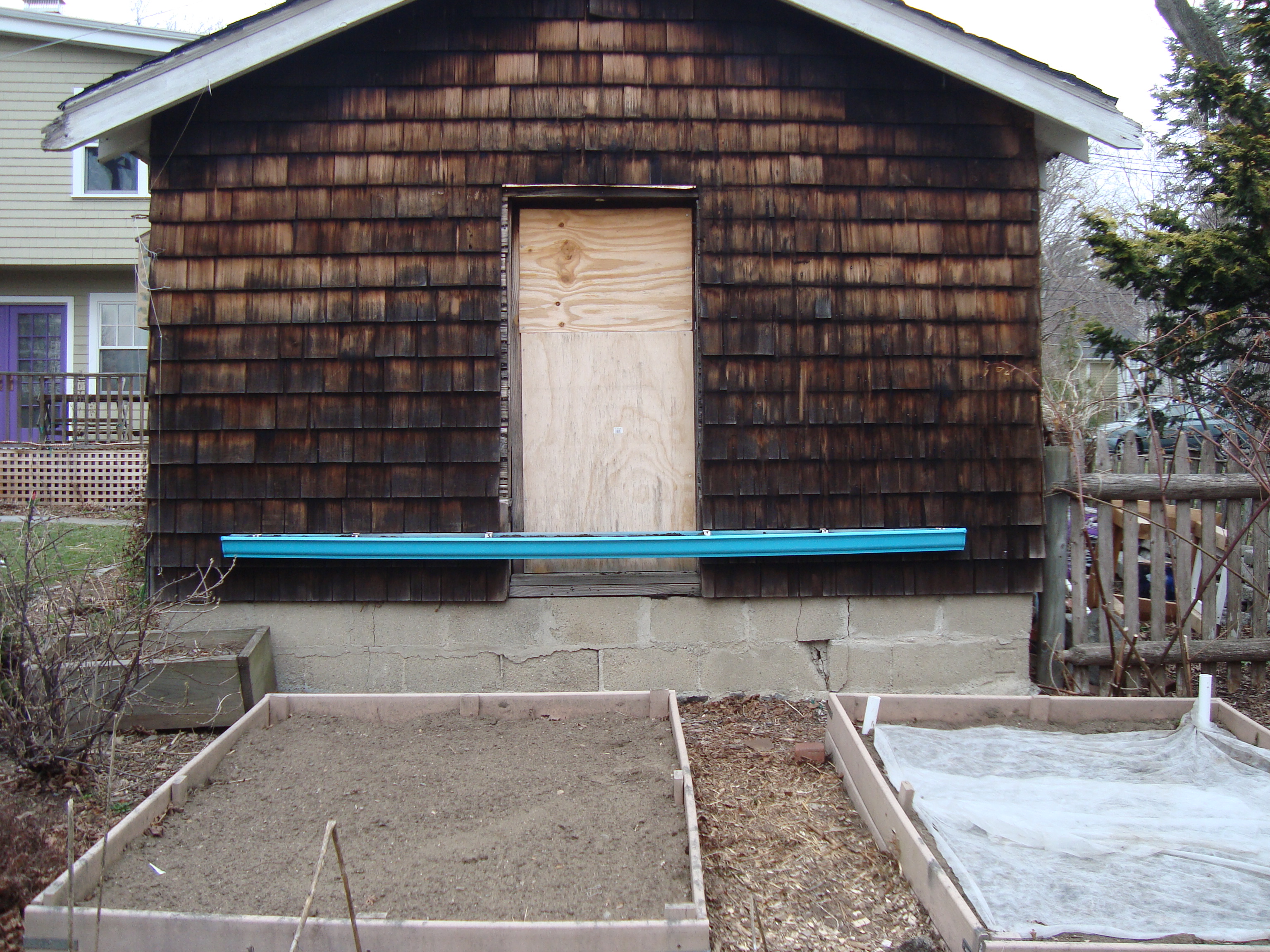 We’re trying a new approach with the lettuce and radishes this year. Check out my latest planter. It’s a 10-foot section of gutter that I spray-painted and Howard hung on the back of the garage. I planted microgreens, arugula, and mesclun mix along with a mix of radishes and some watermelon radishes. These are all shallow growers, so the gutter shouldn’t hinder them. The added benefit is that the height will keep my tender seedlings out of reach of the bunnies living in that corner of the garden. (Next project is to paint that plywood another bright color.)
A seasonal change is a change in more than weather but in what we eat. I’m just finishing up the last of our Winter CSA vegetables, storage vegetables obviously. There are still a couple of butternut squash left and a couple of pounds of beets.
I used up the last of the beets in a simple but delicious soup. Roasted beets combined with sautéed red onion in chicken stock with a smidge of cream. The whole mixture gets processed in the blender for a smooth, magenta puree. The color is wild. The taste is sweet and earthy and more complex than its short list of ingredients. I’m certainly happy to be saying goodbye to winter, but this soup was an excellent sendoff!
Cream of Beet Soup
Adapted from Joyce Goldstein’s Back to Square One
2 lbs beets
2 Tbsp butter
1 medium red onion, sliced
4 cups chicken stock
¾ cup light cream (or half-and-half)
Salt and pepper to taste
Preheat the oven to 400 degrees. Scrub the beets well. Place the unpeeled beets in a roasting pan, add about ½ inch of water to the pan. Cover with foil and bake for one hour or until the beets are tender. When the beets are cool enough to handle, slip the skin off.
Cut 1/3 of the beets into julienne and set aside. Dice the remaining beets.
Melt the butter in a large saucepan over medium heat. Lower the heat and add the onion. Cook until tender and translucent, about 15 minutes. Add the stock and diced beets. Bring to a boil, and simmer for about 10 more minutes.
Puree the soup in the blender until smooth. Return puree to the saucepan. Add the cream and stir to mix in completely. Season to taste.
To serve, ladle warmed soup into bowls and garnish with the julienned beets.
You could dollop with sour cream, but it’s delicious plain.

